The Situation
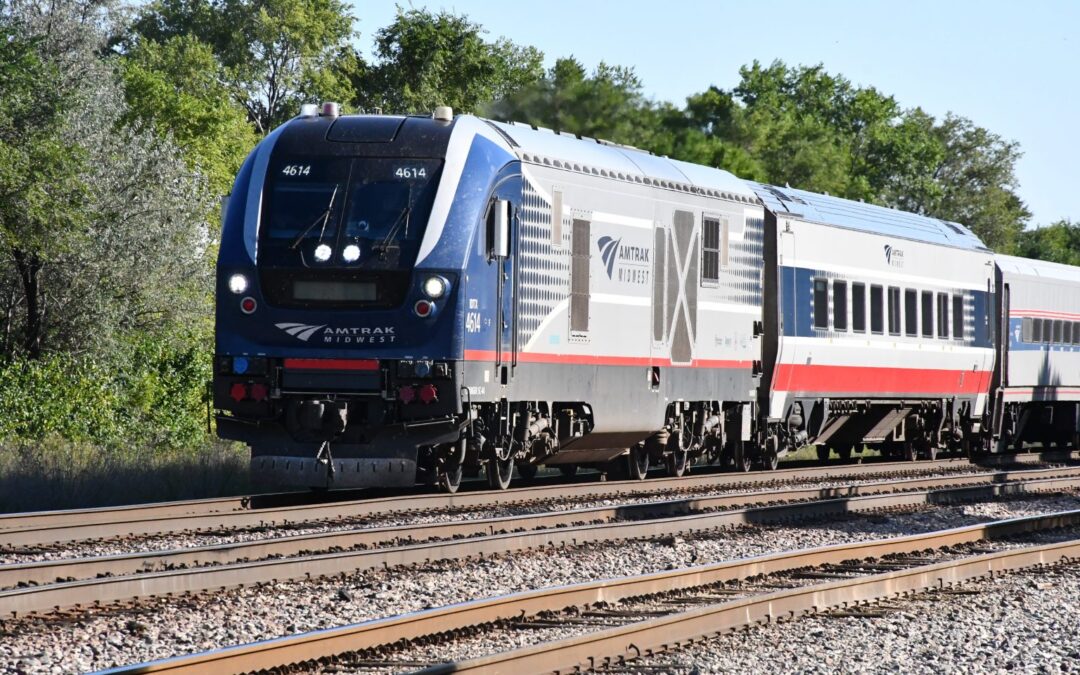
Amtrak’s Hiawatha service connects Milwaukee and Chicago, providing an established passenger rail connection between the two cities. However, the service stops short of Madison, leaving Waukesha, Jefferson, and Dane counties without a direct passenger rail connection to Chicago.
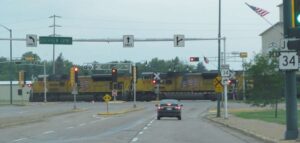
Extending passenger service west of Milwaukee would require upgrades to tracks, bridges, and railroad crossings, particularly west of Watertown, to accommodate passenger trains alongside existing freight operations.
What Is the “Fix,” and How Does It Benefit the State?
The Hiawatha West project would extend two daily Hiawatha round trips from Milwaukee to Madison, with additional stops in Pewaukee and Watertown. Passengers could travel between Madison and Chicago through Milwaukee on the extended service.
The project includes track and crossing upgrades, bridge rehabilitation, expanded rail capacity, and three new passenger stations. West of Watertown, improvements would allow passenger trains to operate at speeds up to 59 mph, with certain infrastructure designed to accommodate speeds up to 79 mph in the future.
Amtrak anticipates that the extension would generate approximately 260,000 additional passenger trips annually. An initial analysis also estimates the extension would generate $46.3 million in annual economic impact and support 200 permanent jobs. The corridor upgrades are also intended to reduce delays and improve reliability for manufacturers and agricultural producers that ship by rail.
What Makes the Investment Possible?
WisDOT has been awarded more than $218 million through the Federal Railroad Administration’s Consolidated Rail Infrastructure and Safety Improvements (CRISI) program. The grant would cover approximately 80% of the Hiawatha West project’s final design and construction costs.
The project is estimated to cost $273 million, leaving approximately $54.5 million in required nonfederal funding. Preliminary estimates also indicate Wisconsin would need to provide approximately $2.5 million annually in operating support once service begins.
What’s Next?
Wisconsin must secure the required matching funds and operating support before advancing final design and construction. The timeline for launching passenger service will depend on securing those funds and completing the remaining project approvals and infrastructure improvements.