The Situation
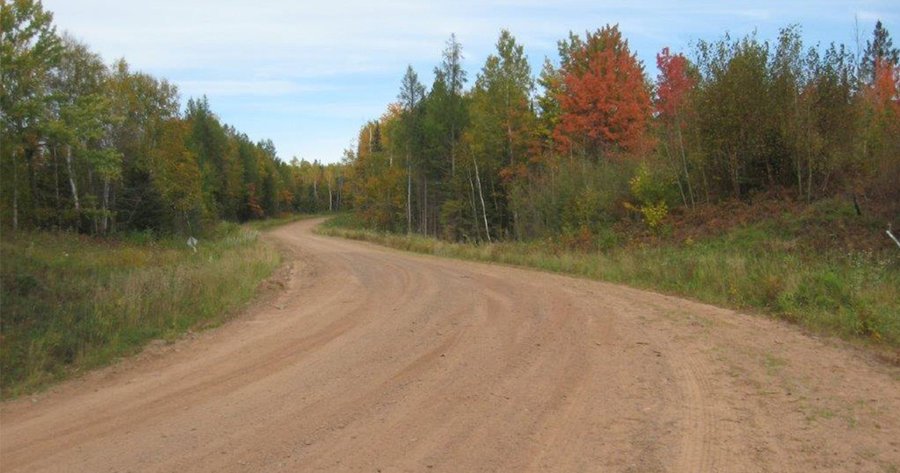
Many of Wisconsin’s county forest roads are aging gravel or lightly surfaced routes that carry logging trucks, farm equipment, outdoor enthusiasts, and other vehicles deep into rural areas. Over time, heavy use, freeze-thaw cycles, and limited local budgets have left many of these roads rutted, poorly drained, and difficult to maintain, affecting access to forest products, farms, and recreation and tourism opportunities. Without support, counties struggle to keep these low-volume but economically critical roads in safe, passable condition.
What is the “fix,” and how does it benefit the community and the state?
Improvements to county forest roads support safer travel for logging operations and recreational users alike. They also protect forest resources by controlling runoff and keep rural economies connected to markets and tourism opportunities. County forests underpin a forest products sector generating $40–50 million in timber revenues annually, supporting about 16,000 jobs and an estimated $4.6 billion in forest products production. Wisconsin’s county forests also offer more than 9,100 miles of snowmobile trails, 1,700 miles of ATV trails, and hundreds of miles of skiing, horse, and bicycle trails — ensuring outdoor recreationists can safely access these resources and bolstering Wisconsin’s $12 billion outdoor recreation economy.
What makes the investment possible?
The state approved $328,300 in County Forest Road Aid for 2026, supporting nearly 940 miles of county forest roads in 24 rural counties across Wisconsin. Funding is distributed on a per-mile basis to enrolled roads, helping defray local costs of improvement and maintenance. To qualify, roads must be at least 16 feet wide with a 20-foot roadway, be located within county forests, be part of a comprehensive county forest land-use plan, and be open to public travel — and cannot be a state highway, county trunk highway, or town road.
Next Steps
WisDOT administers the County Forest Road Aid program, which helps counties defray the costs of improving and maintaining public roads within county forests. With 2026 funding now approved, participating counties will direct aid toward eligible road segments based on local needs. Counties remain responsible for ongoing upkeep and ensuring roads continue to meet program design and public-access requirements.